
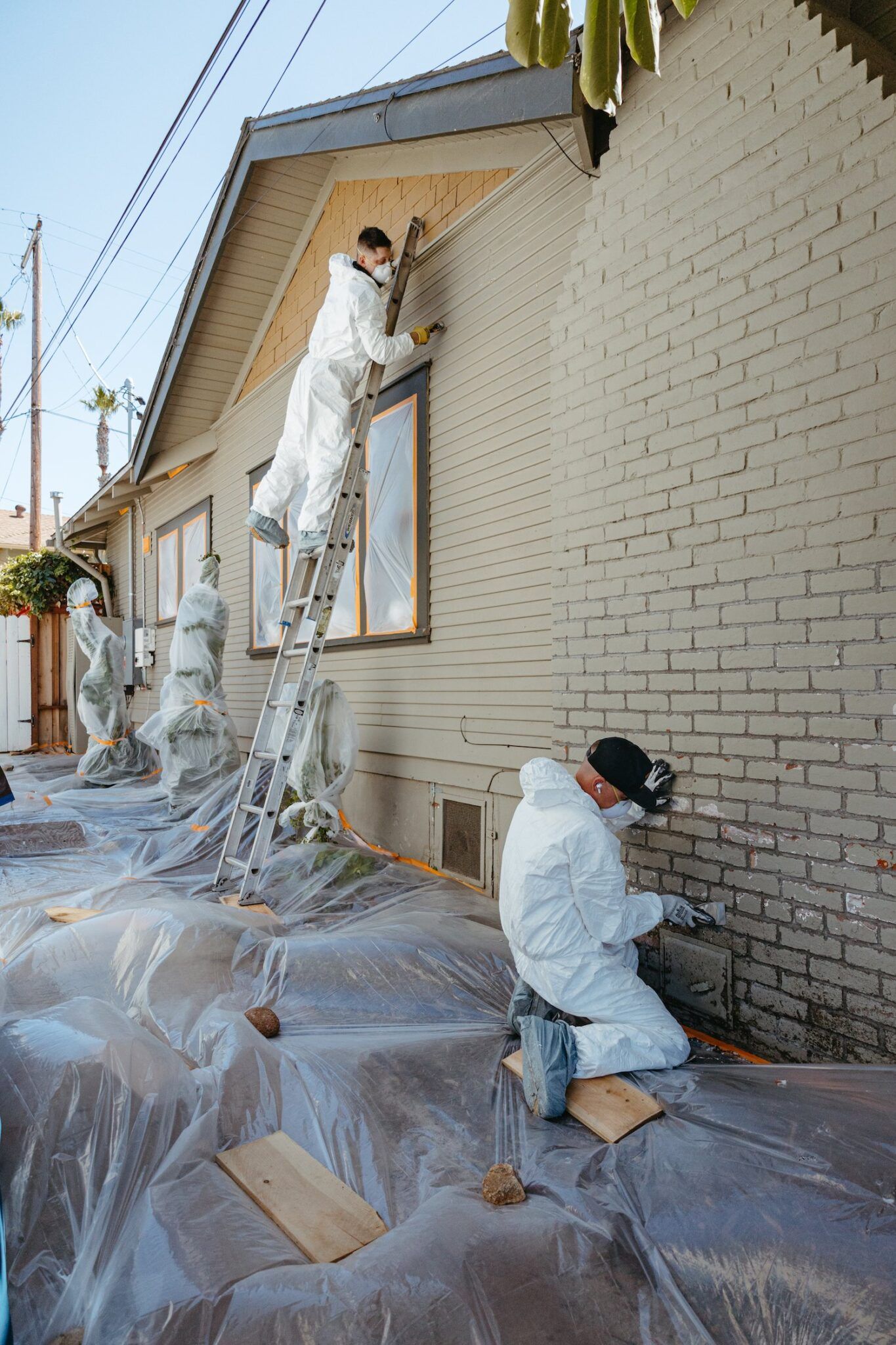
Property managers face a constant cycle of upkeep, tenant turnover, budget balancing, and long-term asset preservation. Each decision they make directly influences property value, occupancy stability, and operational efficiency. Among the many service providers they lean on, professional painters play a pivotal role. For many managers overseeing residential, commercial, or mixed-use buildings, contractors offering professional painting services in Guelph and similar service regions become essential partners, not optional add-ons.
Painting projects—whether minor touch-ups or full-scale transformations—affect both the perception and performance of a property. A well-selected paint system impacts safety, regulatory compliance, durability, and tenant impressions. For property managers juggling many moving parts, working with skilled painting contractors removes uncertainty and ensures consistent, reliable outcomes.
Reliable Workmanship That Protects the Asset
One of the biggest challenges in property oversight is safeguarding the condition and longevity of the building. Paint is not just decorative; it is a protective barrier against moisture, UV degradation, daily wear, and environmental exposure. When property managers bring in seasoned painting contractors, they gain access to knowledge that goes far beyond color application.
Professional crews understand:
- Surface issues such as hairline cracks, peeling, and efflorescence
- The difference between structural problems and cosmetic flaws
- Proper preparation for different substrates
- The impact of climate, humidity, and temperature on coatings
- The right formulations for high-traffic or high-moisture environments
A DIY approach or an inexperienced crew may overlook these factors, leading to premature failure and costly repairs. Professional painters, on the other hand, take a system-based approach—evaluating, preparing, priming, and finishing to create a long-lasting protective shell. Property managers rely on this expertise because it shields the asset and minimizes long-term expenditures.
Time Efficiency and Predictable Scheduling
Property teams rarely have the luxury of long, open timelines. Tenant turnover, renovation deadlines, insurance requirements, and leasing commitments often require precise scheduling. Professional painting contractors thrive under these constraints.
They bring:
- Proper staffing based on project size
- Equipment suited for large or complex spaces
- The ability to phase work around tenant occupancy
- Quick-drying, commercial-grade products
- A clearly defined start-to-finish timeline
This reliability matters. A delayed painting project can hold up new tenants, disrupt current occupants, or push back larger maintenance work. Skilled contractors coordinate with property managers to finalize project windows that respect operational needs, often working evenings or weekends when required.
Predictable scheduling reduces stress for managers and ensures projects stay aligned with broader building plans.
Streamlined Turnover for Rental Units
Few tasks matter more during turnover than restoring a unit to a clean, neutral, market-ready condition. Painting typically forms the centerpiece of this refresh. A fresh coat hides imperfections, removes the previous tenant’s signs of occupancy, and elevates the unit instantly.
Property managers rely on professional painters during turnovers because they:
- Deliver consistent finishes across multiple units
- Work swiftly to reduce vacancy time
- Follow uniform color palettes and sheen levels
- Identify minor issues that require patching before renting
- Maintain quality even under tight deadlines
A single turnover delay can reduce monthly revenue. Skilled painters help ensure units are ready to show as fast as possible without compromising appearance or durability.
Cost Predictability and Long-Term Savings
High-quality painting is an investment, not an expense. Contractors help property managers make cost-effective decisions by recommending the right products and systems for each environment. For example:
- Hallways with constant traffic may need scuff-resistant coatings
- Bathrooms require mold- and moisture-resistant formulas
- Exterior surfaces exposed to sunlight need UV-stable products
- Industrial or commercial environments require specialty finishes
While cheaper materials may seem appealing, they rarely hold up. Professional contractors understand lifecycle costing—choosing coatings that last longer, need fewer touch-ups, and ultimately save money.
Moreover, contractors provide accurate estimates, minimizing budget surprises. Property managers value this predictability because it helps them allocate resources effectively and justify expenses to ownership groups.
Compliance, Safety, and Liability Reduction
Modern properties must adhere to strict safety and environmental standards. Professional painting contractors protect property managers in several ways:
- Proper handling and disposal of coatings and debris
- Compliance with VOC and environmental regulations
- Lift and scaffold certification for multi-story structures
- Fall protection and jobsite safety protocols
- Insurance that covers workers and property
- Knowledge of fire-resistant and specialty coatings
This framework shields property managers from liability. If an untrained individual performs painting without proper precautions, the property may be exposed to legal risks or insurance complications.
By working with professionals, managers ensure that every project is completed under strict regulatory compliance—an essential layer of protection for any building.
Consistent Aesthetic Quality Across a Portfolio
Portfolio-level uniformity matters. For managers overseeing multiple buildings, consistent color standards, maintenance cycles, and finish quality reinforce brand identity and attract higher-value tenants.
Professional painting contractors help maintain a unified visual standard by establishing:
- Color schedules for interior and exterior surfaces
- Sheen specifications for various rooms
- Standard operating procedures for touch-ups and maintenance
- Records of product batches and color codes
- Repeatable methods across multiple sites
This consistency builds trust with tenants and creates a recognizable aesthetic across all managed properties.
Expert Product Knowledge and Modern Innovations
Painting technologies evolve, and professional contractors stay updated on advances that benefit property performance. Property managers depend on this insight to make informed decisions.
Examples of modern solutions contractors bring:
- Low-odor and low-VOC options for occupied buildings
- Elastomeric coatings for exterior waterproofing
- Anti-graffiti finishes for urban properties
- Epoxy systems for industrial flooring
- Washable matte finishes for maintenance-friendly walls
- Thermal or reflective coatings to improve energy efficiency
Property managers cannot track all innovations on their own. Contractors serve as the bridge between new technology and practical property needs.
Enhanced Tenant Satisfaction and Retention
A building’s appearance greatly influences resident or tenant experience. Faded colors, inconsistent finishes, or neglected common areas can lead to complaints or poor retention.
Professional painting contractors elevate tenant satisfaction through:
- Crisp lines and clean finishes
- Odor-minimizing products
- Careful protection of tenant belongings during work
- Respectful communication when projects occur in occupied spaces
- Quick turnaround times
- Minimal disruption to daily routines
Happy tenants pay rent on time, renew leases, and care more for the property. Good painting work enhances this relationship.
Strong Support for Capital Improvement Projects
Large-scale upgrades—exterior facelifts, lobby enhancements, amenity renovations—depend heavily on skilled painters. These projects demand significant coordination and professional oversight.
Contractors support capital improvement goals through:
- Detailed planning and phasing
- Access to commercial equipment
- Strategies for minimal operational disruption
- Experience with large-format surfaces
- Coordination with other trades
- Adherence to ownership-level design plans
Without dependable painting professionals, capital projects can become disorganized, delayed, or visually inconsistent.
Problem Prevention Through Proactive Maintenance
Proactive maintenance extends the lifespan of coatings and surfaces, reduces emergency repairs, and supports predictable budgeting. Many painting contractors provide ongoing maintenance programs tailored for property managers.
Benefits include:
- Scheduled inspections of interior and exterior areas
- Identification of early signs of water intrusion or surface deterioration
- On-call touch-up services
- Priority scheduling during peak seasons
- Documentation for long-term planning
Property managers rely on this proactive approach because it minimizes surprises and preserves the asset’s condition year after year.
Efficient Handling of Diverse Property Types
A major advantage of contracting professionals is their familiarity with different building categories. A multi-family property does not have the same needs as a retail plaza or industrial warehouse.
Professional painting contractors adapt their approach based on property type:
Residential Buildings
- Focus on tenant comfort
- Clean, durable interior finishes
- Neutral palettes for turnover readiness
Commercial Offices
- Low-disruption scheduling
- Modern palettes that reflect corporate identity
- Quick-drying, low-odor systems
Retail Spaces
- Bold, brand-aligned color work
- High-visibility finishing
- Fast project delivery to avoid revenue loss
Industrial Facilities
- Safety markings
- Chemical-resistant coatings
- Large-scale equipment for high ceilings
HOA and Multi-Unit Complexes
- Phased exterior repaints
- Coordination with boards and residents
- Uniform standards for all buildings
Property managers value this adaptability because each property in their portfolio benefits from tailored solutions rather than one-size-fits-all approaches.
Problem-Solving Skills That Keep Projects On Track
Unexpected issues surface frequently during painting. Moisture damage, unstable substrates, hidden cracks, and incompatible old coatings may appear once surfaces are prepared.
Professional painters excel at immediate, site-specific problem-solving.
They can:
- Diagnose underlying issues
- Recommend appropriate repairs
- Adjust techniques based on surface conditions
- Replace damaged trim or patch areas as needed
- Modify project plans without sacrificing quality
For property managers, this means fewer stoppages, fewer calls to additional contractors, and fewer delays.
Long-Term Relationship Value
Most property managers form long-term partnerships with painting contractors. This continuity creates efficiencies in communication, planning, and maintenance.
Long-term relationships offer:
- Familiarity with building history
- Faster estimates
- Better-coordinated schedules
- Consistent aesthetic standards
- A trusted point of contact
- Reduced oversight needs from management
The contractor becomes an extension of the property management team—an advantage that saves time, money, and stress over the lifespan of the building.
Measurable Results That Support Property Value
A well-maintained building commands higher rents, attracts stronger tenants, and builds confidence among investors or owners. Professional painting directly contributes to:
- Improved curb appeal
- Higher perceived cleanliness
- Stronger brand identity
- Lower maintenance expenses
- Faster leasing of vacant units
- Protection against premature deterioration
Painting may seem routine, but it constantly influences how a property is valued and experienced.
Conclusion
Professional painting contractors support every aspect of property performance—from tenant impressions to regulatory compliance and long-term durability. Property managers depend on these specialists because they deliver predictable results, efficiency, and a level of craftsmanship that preserves both the beauty and functionality of the buildings they oversee.
This partnership is built on trust, skill, and shared goals: maintaining quality spaces, protecting real estate assets, and ensuring strong operational outcomes across every type of property.